Fashion in Film:
The Power of Costume in Cinematic Storytelling
“You had a moment where [Christian] Dior would be creating the look for the studio for the actress, controlling the silhouette, the idea, the personality. I think you need that romance of what cinema told us fashion is.”
- Jonathan Anderson, Vogue, spring issue 2026
The Costumes in the New “Wuthering Heights” Understand That Yearning Needs to Look Slightly Dangerous
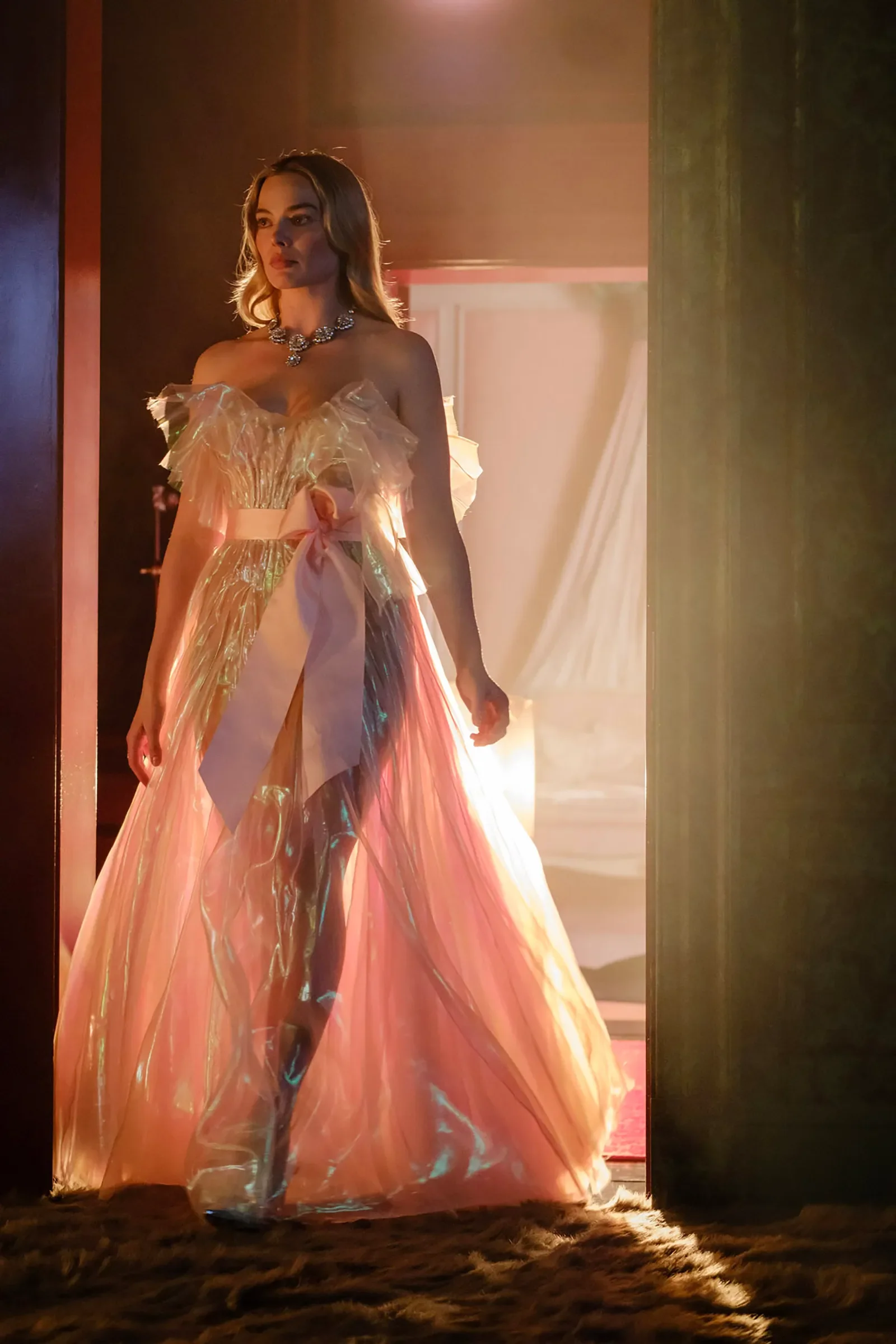
The fashion in the new Wuthering Heights somehow feels both wildly romantic and slightly unhinged in the best possible way. Which, honestly, is exactly what Wuthering Heights should feel like. If everyone looks too polished or too “Pinterest mood board,” you lose the chaos. You lose the fever dream. And from everything we’ve seen so far, this adaptation seems to understand that the clothes are not just costumes — they are emotional weather.
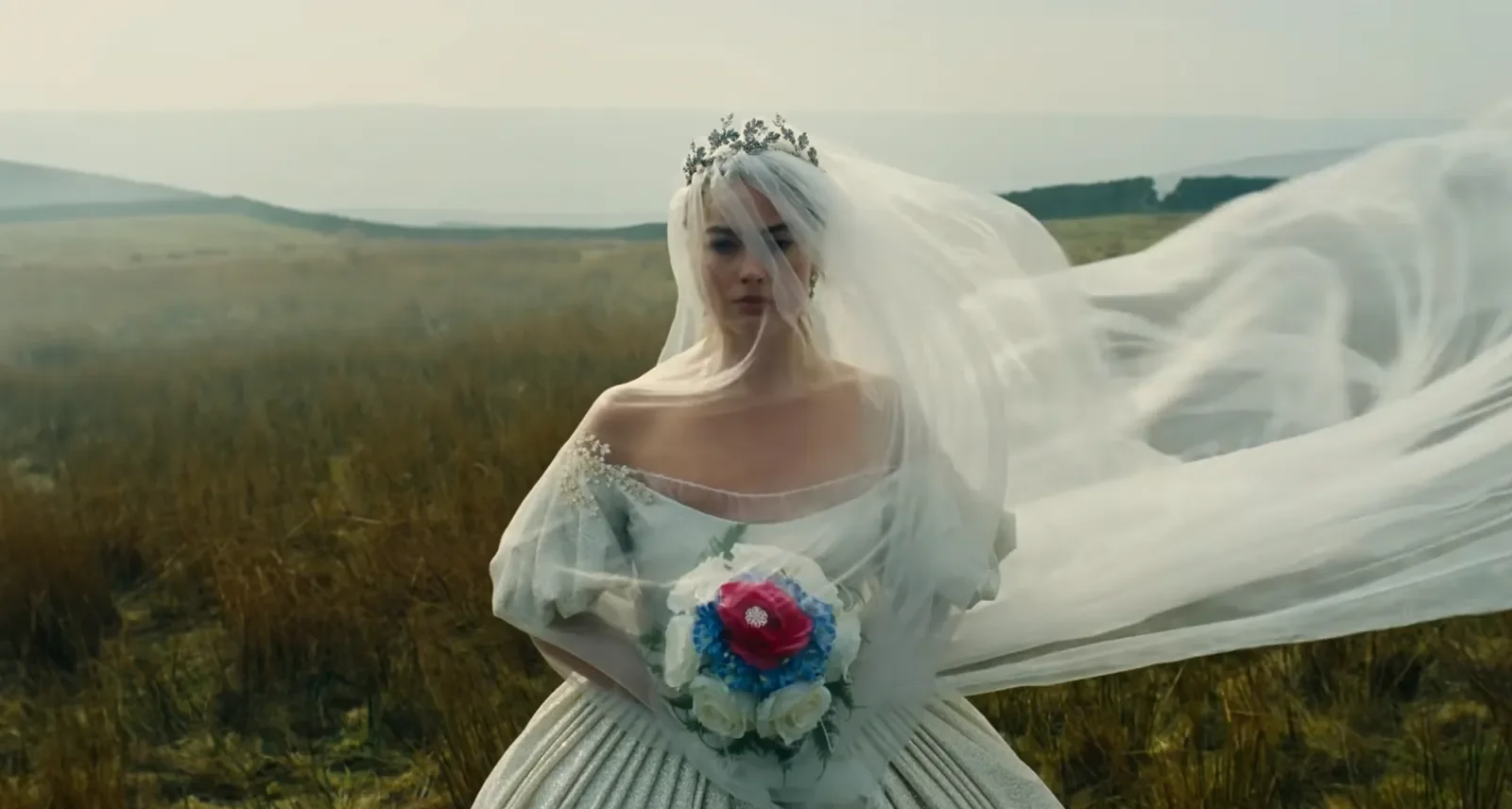
The silhouettes feel windswept and haunted and deeply inconvenient, which I mean as a compliment. There’s fabric everywhere. Heavy wool coats dragging through mud. Corseted waists that look genuinely restrictive instead of fashion-week “inspired by Victorian dressing.” Layers that appear slept in, grieved in, cried in. Nothing feels sterile. The clothes look lived in, which is increasingly rare in period dramas where everyone somehow appears freshly steamed at all times.
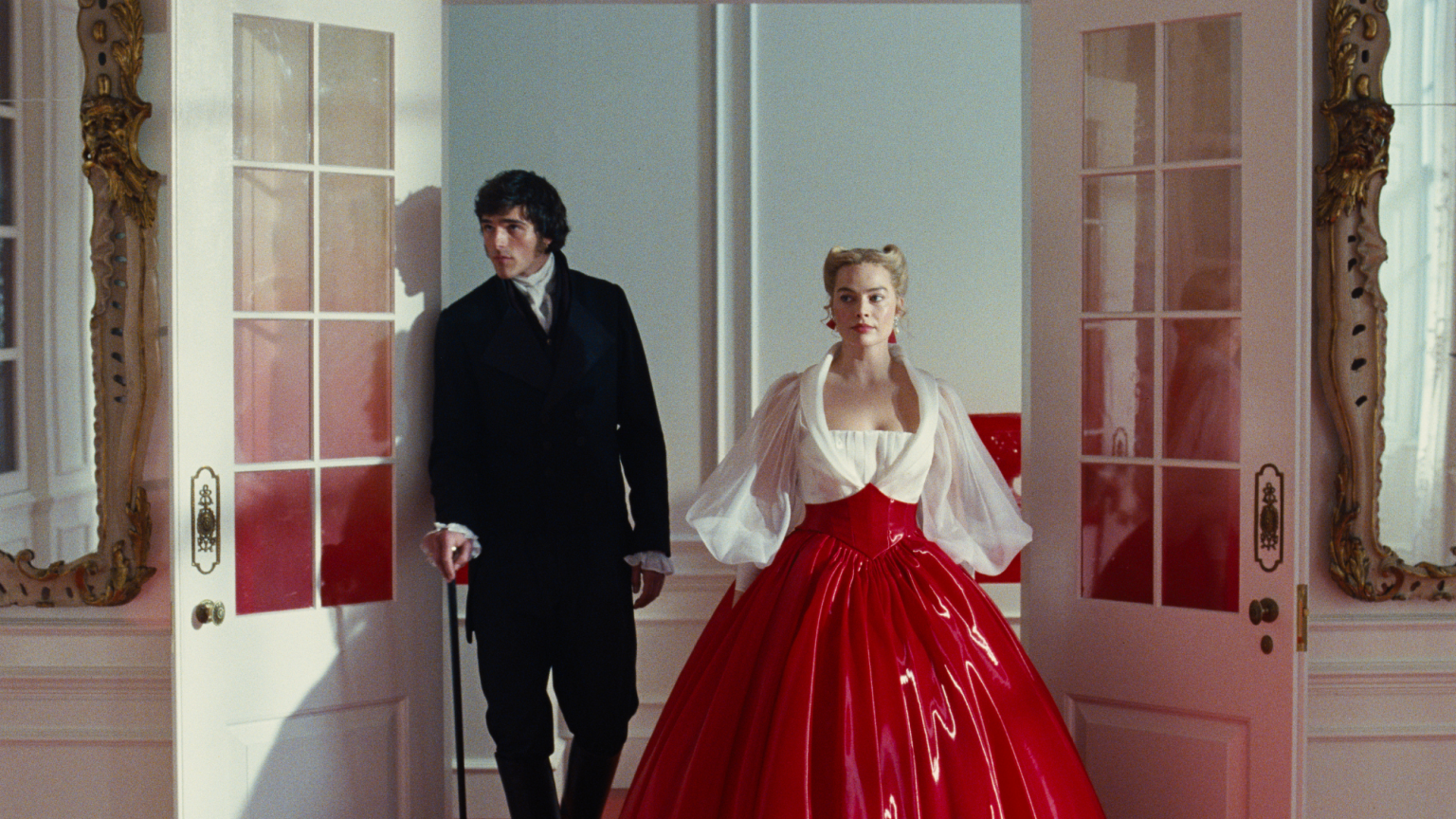
And then there’s the color palette, which I am obsessed with. It’s all storm-cloud neutrals: charcoal, faded black, moss, weathered cream, muddy brown. The palette itself feels emotionally repressed. Nobody is walking around in cheerful jewel tones because nobody on the moors is emotionally stable enough for cobalt blue. The styling communicates longing, class tension, obsession, isolation — all before anyone even speaks. That’s great costume design.
What I especially love is that the fashion doesn’t seem interested in making Catherine into a “cool girl” heroine for modern audiences. Sometimes contemporary adaptations flatten female characters by trying too hard to make them aspirational in an Instagram way. But Catherine should feel slightly feral. Beautiful, yes, but also destructive and impossible and emotionally dangerous. The clothes seem to support that interpretation rather than sand it down. There’s an untamed quality to the hair and styling that makes her feel like a force of nature rather than a carefully branded protagonist.
The menswear also deserves attention because Heathcliff’s clothing — at least from the early images — appears deeply tied to status and alienation. You can see the social hierarchy in the tailoring alone. Certain characters look layered in wealth and structure, while others look exposed to the elements, almost consumed by the landscape. That visual distinction matters in a story where class resentment drives so much of the emotional violence.
Also: the coats. The COATS. Period drama costume departments understand the power of a devastating long coat billowing in miserable weather, and thankfully, this movie appears committed to the bit. There is nothing more cinematic than someone emotionally spiraling across a windy cliffside in outerwear dramatic enough to qualify as its own supporting character.
What makes the fashion feel exciting to me is that it doesn’t look overly concerned with being pretty. It looks concerned with the atmosphere. With obsession. With yearning. And honestly, yearning is having a major cultural comeback right now. Clean girl minimalism is exhausting. Everyone is tired of looking emotionally unavailable in beige activewear. We want drama again. We want gothic romance. We want sleeves that imply we may have tuberculosis, but also incredible chemistry.
The fashion in this adaptation feels less like costume design and more like emotional storytelling. It understands that in Wuthering Heights, love is not soft or tidy. It’s muddy, consuming, and slightly terrifying. And the clothes seem to know that too.